


 News Desk
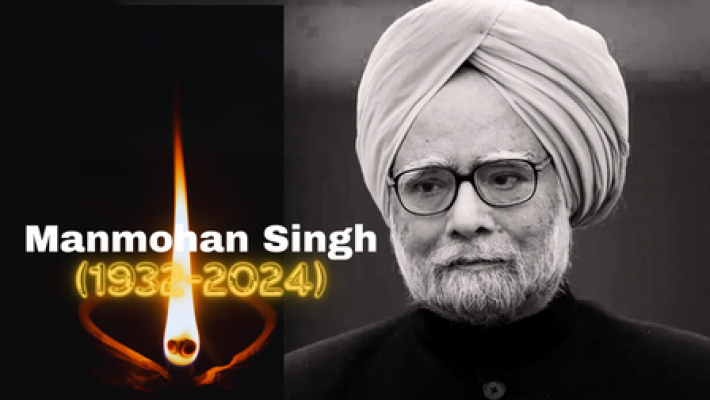
Manmohan Singh served as the 13th Prime Minister of India from 2004 to 2014, leaving a significant legacy as an economist, reformer, and statesman. Known for his integrity, humility, and academic brilliance, Singh played a pivotal role in transforming India's economy and strengthening its global stature.
Economic Liberalization (1991):
Before becoming Prime Minister, Singh served as Finance Minister (1991–1996) under Prime Minister P.V. Narasimha Rao. He is widely credited for liberalizing India’s economy, which was facing a severe balance-of-payments crisis. His policies included:
Spearheading Economic Growth (2004–2014):
As Prime Minister, Singh focused on sustaining high GDP growth rates, improving infrastructure, and expanding the middle class. His tenure saw India emerge as one of the fastest-growing economies globally.
Social and Economic Development Programs:
Nuclear Deal with the U.S. (2008):
Singh’s leadership was instrumental in securing the Indo-U.S. Civil Nuclear Agreement, which ended India’s nuclear isolation and paved the way for strategic partnerships with global powers.
Foreign Policy and Diplomacy:
Singh strengthened India’s relations with global powers, including the United States, Russia, and China, while improving ties with neighbors like Pakistan through peace dialogues.
Infrastructure Development:
Major infrastructure projects, including highways, metro systems, and rural electrification, were accelerated under his leadership.
Financial Inclusion:
Singh promoted initiatives to bring banking and financial services to rural and underserved areas.
Manmohan Singh is regarded as a visionary leader and architect of modern India’s economy. Despite facing criticism over corruption scandals during his second term, Singh’s reputation as a technocrat and reformer remains intact. He received numerous awards, including the Padma Vibhushan (1987), and earned global respect for his contributions to India’s economic and political development.
His leadership laid the foundation for sustained economic growth and global integration, solidifying his place as one of India’s most influential leaders.